


As a supplier of Vacuum Lifters, I often get asked how to ensure the alignment of the vacuum pads with the object. It's a crucial question, especially when you're dealing with delicate or heavy items like glass. In this blog, I'll share some tips and tricks that I've picked up over the years to help you achieve perfect alignment every time.
Understanding the Basics of Vacuum Pad Alignment
Before we dive into the details, let's quickly go over how vacuum pads work. Vacuum lifters use suction to grip objects, and the vacuum pads are the part that comes into direct contact with the object. For the suction to work effectively, the pads need to be properly aligned and sealed against the surface of the object.
If the pads aren't aligned correctly, you might not get a strong enough seal. This can lead to the object slipping or falling during lifting, which is not only dangerous but can also damage the object. So, getting that alignment right is super important.
Pre - Lift Inspection and Preparation
The first step in ensuring alignment is to inspect both the vacuum pads and the object you're going to lift. Check the vacuum pads for any signs of wear and tear, like cracks or holes. Damaged pads won't seal properly, no matter how well you align them. If you find any issues, replace the pads before proceeding.
Next, look at the object. Make sure its surface is clean and free of debris. Dirt or dust can prevent a good seal between the pads and the object. If necessary, clean the surface with a mild detergent and dry it thoroughly.
Measuring and Marking
When you're dealing with regular - shaped objects, like a large sheet of glass, measuring and marking can be a great help. Use a measuring tape to determine the center of the object and mark it. Then, measure and mark the position where the vacuum pads should be placed. This gives you a clear guide for aligning the pads.
For example, if you're using a Glass Lifter to lift a rectangular glass panel, you can mark the center of the panel and then mark the spots for each pad based on the lifter's design. This way, you can visually align the pads with the marks on the glass.
Using Alignment Guides
Many of our Vacuum Lifters come with alignment guides. These are physical structures or markings on the lifter itself that help you position the vacuum pads correctly. For instance, some lifters have adjustable arms with markings that correspond to different object sizes. You can adjust the arms based on the measurements of the object and then align the pads accordingly.
Alignment guides are especially useful when you're lifting multiple objects of the same size. You can set up the alignment once and then use it for all subsequent lifts, which saves time and ensures consistent alignment.
Visual Inspection
Even with all the measurements and guides, a visual inspection is still key. Before activating the suction, take a good look at how the pads are positioned on the object. Make sure they're evenly spaced and centered. If you notice any misalignment, make the necessary adjustments.
You can also walk around the object to check the alignment from different angles. Sometimes, an alignment issue might not be obvious from one side but becomes clear when you look at it from another angle.
Technology - Assisted Alignment
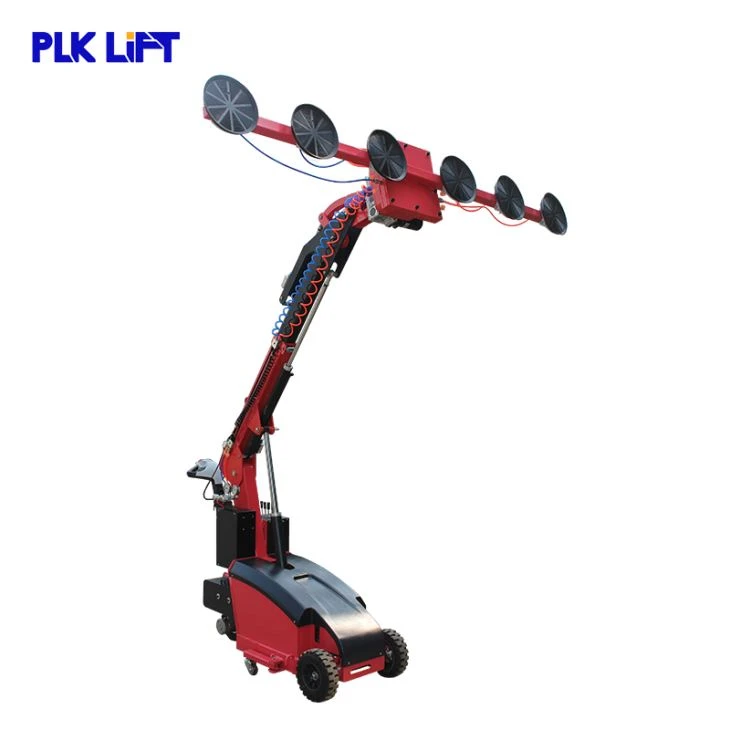
In today's world, technology can be a real game - changer. Some of our more advanced models, like the Glass Lifter Robot, come with sensors and cameras to assist with alignment.
The sensors can detect the surface of the object and adjust the position of the vacuum pads automatically. Cameras can provide a live feed of the alignment process, allowing you to monitor it from a control panel. This technology is especially useful for lifting large or irregularly - shaped objects where manual alignment might be challenging.
Testing the Seal
Once you think the pads are properly aligned, it's time to test the seal. Activate the vacuum system and let it build up the pressure. Check the vacuum gauge to make sure it reaches the appropriate level. If the pressure doesn't build up or drops quickly, it's likely that the alignment is off or there's a problem with the seal.
If you encounter a low - pressure issue, turn off the vacuum and re - check the alignment. Make any necessary adjustments and try again. In some cases, you might need to clean the pads or the object's surface again to get a good seal.
Training and Experience
Finally, training and experience play a huge role in ensuring proper alignment. Make sure your operators are trained on how to use the vacuum lifters correctly, including the alignment process. Provide them with clear instructions and hands - on training.
As operators gain more experience, they'll become better at judging the alignment by eye and making quick adjustments. Encourage them to share their experiences and tips with other team members to improve the overall alignment process.

Conclusion
Ensuring the alignment of vacuum pads with the object is essential for the safe and effective operation of Vacuum Lifters. By following these steps, from pre - lift inspection to using technology - assisted alignment and gaining experience through training, you can achieve a perfect alignment every time.
If you're in the market for a new Vacuum Lifter or have any questions about alignment or other related issues, don't hesitate to get in touch with us. We're here to help you find the best solution for your lifting needs. Whether you need a 200kg Small Glass Vacuum Lifter for smaller jobs or a more advanced robotic lifter for larger projects, we've got you covered. Just reach out, and we can start the conversation about how we can meet your requirements.
References
- Engineering Handbook on Vacuum Technology
- Industry Standards for Vacuum Lifting Equipment


