


As a seasoned supplier of lift tables, I've had the privilege of witnessing firsthand the transformative impact these machines have on various industries. Lift tables are versatile pieces of equipment that are used to raise, lower, or tilt loads to a desired height, providing ergonomic solutions for material handling, assembly, and other tasks. In this blog post, I'll delve into the lifting mechanisms of lift tables, exploring the different types and how they work.
Hydraulic Lifting Mechanism
One of the most common lifting mechanisms used in lift tables is the hydraulic system. Hydraulic lift tables rely on the principle of fluid power to generate force and movement. The system consists of a hydraulic cylinder, a pump, a reservoir, and a control valve.
The hydraulic cylinder is the heart of the system. It consists of a piston and a cylinder barrel. When hydraulic fluid is pumped into the cylinder, it pushes the piston, causing it to extend and lift the load. The force generated by the hydraulic cylinder is proportional to the pressure of the fluid and the area of the piston.
The pump is responsible for generating the hydraulic pressure. It draws fluid from the reservoir and delivers it to the hydraulic cylinder at a high pressure. There are different types of pumps used in hydraulic systems, including gear pumps, vane pumps, and piston pumps.
The reservoir stores the hydraulic fluid and provides a cooling and filtration function. It also helps to maintain a constant level of fluid in the system.
The control valve regulates the flow of hydraulic fluid to the cylinder, allowing the operator to control the speed and direction of the lift. By adjusting the valve, the operator can start, stop, and adjust the height of the lift table.
Hydraulic lift tables offer several advantages. They are capable of lifting heavy loads with ease, providing smooth and stable operation. They also have a high degree of precision, allowing for accurate positioning of the load. Additionally, hydraulic systems are relatively simple to maintain and repair.
Mechanical Lifting Mechanism
Mechanical lift tables use a system of gears, chains, and pulleys to convert rotational motion into linear motion. One common type of mechanical lift table is the scissor lift. Scissor lift tables have a unique design that consists of a series of linked bars arranged in a scissor-like pattern.
When the lift is activated, a motor or a hand crank rotates a screw or a chain, causing the scissor arms to expand and lift the platform. The scissor design provides a stable and reliable lifting mechanism, able to support heavy loads.

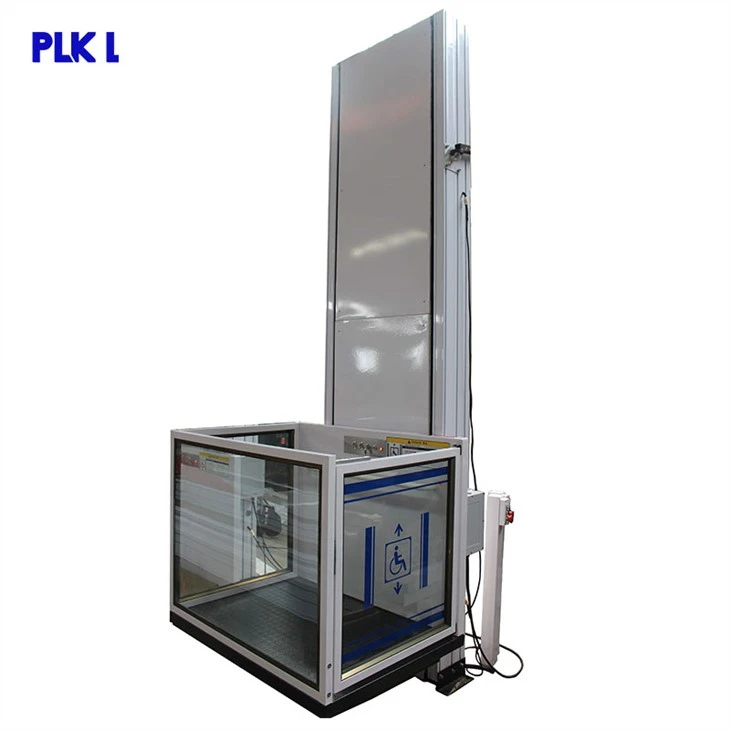
Mechanical lift tables are often used in applications where a lower lifting capacity is required. They are generally more compact and lightweight than hydraulic lift tables, making them suitable for smaller workspaces. They are also less expensive and easier to install.
However, mechanical lift tables have some limitations. They may not be as smooth in operation as hydraulic lift tables, and they may require more maintenance due to the moving parts. They also have a limited lifting height compared to hydraulic lift tables.
Pneumatic Lifting Mechanism
Pneumatic lift tables use compressed air to generate the lifting force. The system consists of a pneumatic cylinder, a compressor, a control valve, and an air reservoir.
The pneumatic cylinder works in a similar way to a hydraulic cylinder. When compressed air is introduced into the cylinder, it pushes the piston, causing it to extend and lift the load.
The compressor is responsible for generating the compressed air. It draws in air from the atmosphere and compresses it to a high pressure.
The control valve regulates the flow of compressed air to the cylinder, allowing the operator to control the lifting and lowering of the table.
The air reservoir stores the compressed air, providing a buffer to ensure a consistent supply of air to the system.
Pneumatic lift tables are known for their fast operation and clean performance. They are often used in applications where a quick and efficient lifting solution is required, such as in food processing and pharmaceutical industries. They are also relatively easy to install and maintain.
However, pneumatic lift tables have a lower lifting capacity compared to hydraulic lift tables. They also require a reliable source of compressed air, which may not be available in all work environments.
Electric Lifting Mechanism
Electric lift tables use an electric motor to drive the lifting mechanism. There are different types of electric lift tables, including screw-driven and belt-driven models.
Screw-driven electric lift tables use a lead screw or a ball screw to convert the rotational motion of the motor into linear motion. The screw is connected to the platform, and as the motor rotates the screw, the platform moves up or down.
Belt-driven electric lift tables use a belt or a chain to transfer the power from the motor to the platform. The belt or chain is connected to a pulley system, which causes the platform to move.
Electric lift tables offer several advantages. They are clean, quiet, and energy-efficient. They are also easy to control, providing precise and accurate positioning of the load. Electric lift tables are often used in applications where a high level of automation is required, such as in assembly lines and warehouses.
Choosing the Right Lifting Mechanism
When choosing a lift table, it's important to consider the specific requirements of your application. Factors to consider include the weight and size of the load, the required lifting height, the frequency of use, and the available space.
If you need to lift heavy loads, a hydraulic lift table may be the best choice. Hydraulic systems are capable of handling large loads and providing smooth and stable operation.
For lighter loads and smaller workspaces, a mechanical or an electric lift table may be more suitable. Mechanical lift tables are cost-effective and easy to install, while electric lift tables offer precise control and energy efficiency.
If you require fast operation and a clean working environment, a pneumatic lift table may be the right option. Pneumatic systems are known for their quick response and clean performance.
At our company, we offer a wide range of lift tables with different lifting mechanisms to meet the diverse needs of our customers. Whether you need a China Lift for a home application, an Industrial Scissor Lift for an industrial setting, or an Electric Lifter 220v for a specific task, we have the solution for you.
If you're interested in learning more about our lift tables or have any questions about the lifting mechanisms, please don't hesitate to contact us. Our team of experts is ready to assist you in choosing the right lift table for your needs and to provide you with the best possible service. We look forward to the opportunity to work with you and to help you improve your material handling processes.
References
- "Hydraulic Systems: Principles and Maintenance" by Eugene F. Meyer
- "Mechanical Engineering Design" by Joseph E. Shigley and Charles R. Mischke
- "Pneumatic Systems: Design, Installation, and Troubleshooting" by Heinz P. Bloch


