


Troubleshooting an aerial boom lift is a crucial skill for anyone involved in operating or maintaining these powerful machines. As a supplier of Aerial Boom Lifts, I've encountered a wide range of issues over the years and have learned effective ways to diagnose and resolve them. In this blog, I'll share some common problems and their solutions to help you keep your aerial boom lift in top working condition.
Understanding the Basics of Aerial Boom Lifts
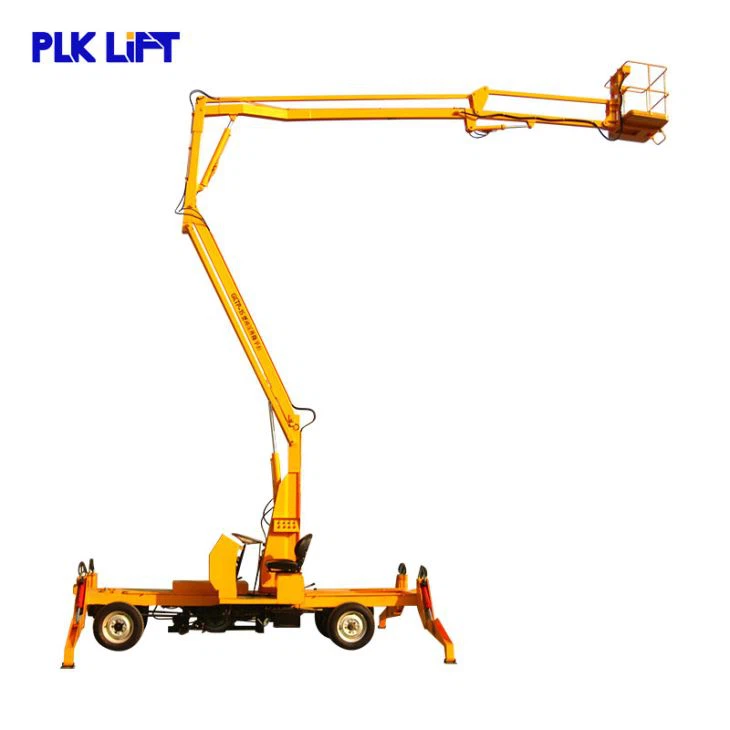
Before we dive into troubleshooting, it's important to have a basic understanding of aerial boom lifts. These machines are designed to provide elevated access for various tasks, such as construction, maintenance, and tree trimming. There are different types of aerial boom lifts, including Electric Boom Lift, Aerial Boom Lift, and Towable Boom Lift. Each type has its own unique features and components, but they all share some common elements.
Pre - Troubleshooting Checks
Before you start diagnosing a specific problem, there are some basic checks you should always perform. First, visually inspect the aerial boom lift for any obvious signs of damage, such as leaks, bent parts, or loose connections. Check the tires (if applicable) for proper inflation and wear. Make sure all safety devices, such as guardrails and emergency stop buttons, are in working order.
Next, review the operator's manual. The manual contains valuable information about the normal operation of the machine, including recommended maintenance schedules and troubleshooting guides. It's also a good idea to check the machine's service history to see if there have been any previous issues that could be related to the current problem.
Common Problems and Solutions
1. Electrical Issues
Electrical problems are one of the most common issues with aerial boom lifts. If the lift fails to power on, the first thing to check is the battery. Ensure that the battery is properly charged and that the connections are clean and tight. A loose or corroded connection can prevent the battery from supplying power to the lift.
If the battery is in good condition, check the fuses and circuit breakers. A blown fuse or tripped circuit breaker can cut off the electrical supply to different components of the lift. Replace any blown fuses with the correct rating and reset the circuit breakers.
Another common electrical issue is a malfunctioning control panel. If the controls are unresponsive or not working correctly, there could be a problem with the wiring or the control module. Inspect the wiring for any signs of damage, such as frayed wires or loose connections. If you suspect a problem with the control module, it may need to be tested or replaced by a qualified technician.
2. Hydraulic System Problems
The hydraulic system is responsible for lifting and extending the boom on an aerial boom lift. If the lift is not raising or lowering properly, or if the boom is not extending or retracting smoothly, there could be a hydraulic issue.
Check the hydraulic fluid level. Low fluid levels can cause the lift to operate sluggishly or not at all. If the fluid level is low, add the recommended type of hydraulic fluid to the reservoir. Also, inspect the hydraulic hoses for any signs of leaks. A leaking hose can not only reduce the efficiency of the hydraulic system but also pose a safety hazard. Replace any damaged hoses immediately.
The hydraulic pump is another critical component of the system. If the pump is not working correctly, it may not be able to generate enough pressure to operate the lift. Listen for any unusual noises coming from the pump, such as grinding or whining sounds. If you suspect a problem with the pump, it should be inspected and repaired by a professional.
3. Mechanical Problems
Mechanical issues can also affect the performance of an aerial boom lift. For example, if the boom is making a rattling or clunking noise when it moves, there could be a problem with the joints or bearings. Inspect the joints for any signs of wear or damage, such as excessive play or loose bolts. Tighten any loose bolts and lubricate the joints if necessary.
If the lift is difficult to steer or move, check the steering mechanism and the drive system. For towable boom lifts, make sure the towing hitch is properly attached and that the wheels are free to rotate. In some cases, the problem could be as simple as a misaligned steering column or a problem with the brakes.
4. Sensor Malfunctions
Modern aerial boom lifts are equipped with a variety of sensors to ensure safe and efficient operation. These sensors can detect things like the position of the boom, the weight in the platform, and the angle of the lift. If a sensor is malfunctioning, it can cause the lift to behave erratically or even shut down completely.
To troubleshoot sensor issues, start by checking the sensor connections. Make sure they are clean and tight. Some sensors may have calibration procedures outlined in the operator's manual. If you suspect a sensor is not calibrated correctly, follow the calibration steps to see if it resolves the problem. If the sensor is damaged, it will need to be replaced.

When to Call a Professional
While many minor issues with aerial boom lifts can be resolved through basic troubleshooting, there are times when it's best to call a professional. If you are not experienced in working with electrical, hydraulic, or mechanical systems, attempting to repair complex problems on your own can be dangerous.
If the problem persists after you've performed all the recommended troubleshooting steps, or if you are unsure about how to proceed, contact a qualified technician. They have the expertise and specialized tools to diagnose and repair more serious issues.
Preventive Maintenance
The best way to minimize the need for troubleshooting is to follow a regular preventive maintenance schedule. This includes tasks such as changing the hydraulic fluid, inspecting and lubricating moving parts, and checking the electrical system. By keeping your aerial boom lift well - maintained, you can extend its lifespan and reduce the likelihood of breakdowns.
Conclusion
Troubleshooting an aerial boom lift requires a combination of basic knowledge, careful inspection, and the right tools. By following the steps outlined in this blog, you can identify and resolve many common problems with your lift. However, always remember that safety should be your top priority. If you are unsure about any aspect of troubleshooting or repair, don't hesitate to seek professional help.
If you are in the market for a new or replacement aerial boom lift, or if you have any questions about the troubleshooting process, we are here to assist you. Our team of experts can provide you with detailed information about our Aerial Boom Lift products and help you choose the right lift for your needs. Contact us today to start a discussion about your requirements and explore the possibilities of working with us.
References
- Aerial Boom Lift Operator's Manuals
- Industry standards and guidelines for aerial work platforms


