


As a seasoned supplier of scissor lifts, I've witnessed firsthand the wide range of applications these versatile machines serve across various industries. From construction sites to warehouses, scissor lifts provide a reliable means of accessing elevated work areas. However, like any complex equipment, scissor lifts are not without their challenges. In this blog post, I'll delve into the common problems that users may encounter with scissor lifts and offer insights on how to address them effectively.
Hydraulic System Issues
One of the most prevalent problems with scissor lifts is related to the hydraulic system. The hydraulic system is responsible for raising and lowering the lift platform, and any issues with it can significantly impact the lift's performance. Some common hydraulic system problems include:
- Leaking Hydraulic Fluid: Over time, the hydraulic hoses, seals, and fittings can wear out, leading to fluid leaks. Leaking hydraulic fluid not only poses a safety hazard but also reduces the lift's efficiency. To address this issue, it's essential to regularly inspect the hydraulic system for signs of leaks and replace any damaged components promptly.
- Low Hydraulic Fluid Levels: Insufficient hydraulic fluid can cause the lift to operate sluggishly or fail to reach its full height. It's crucial to check the hydraulic fluid levels regularly and top them up as needed. However, it's important to use the correct type of hydraulic fluid specified by the manufacturer to avoid compatibility issues.
- Contaminated Hydraulic Fluid: Contaminants such as dirt, debris, and water can enter the hydraulic system and cause damage to the pumps, valves, and other components. Regularly changing the hydraulic fluid and using high-quality filters can help prevent contamination and extend the lifespan of the hydraulic system.
Electrical System Problems
Scissor lifts rely on electrical systems to power various functions, including the motor, controls, and safety features. Electrical system problems can range from minor issues to more serious malfunctions that can render the lift inoperable. Some common electrical system problems include:
- Faulty Wiring: Loose, damaged, or corroded wiring can cause electrical shorts, intermittent power loss, or other issues. Regularly inspecting the wiring for signs of damage and ensuring proper connections can help prevent electrical problems.
- Battery Issues: The battery is a critical component of the scissor lift's electrical system. A weak or dead battery can prevent the lift from starting or cause it to operate erratically. It's important to maintain the battery properly by charging it regularly and checking the electrolyte levels if applicable.
- Control Panel Malfunctions: The control panel is used to operate the scissor lift and monitor its functions. Malfunctions in the control panel can make it difficult or impossible to control the lift safely. If you experience any issues with the control panel, it's important to have it inspected and repaired by a qualified technician.
Structural and Mechanical Problems
The structural and mechanical components of a scissor lift are subjected to significant stress and wear during operation. Over time, these components can develop problems that can affect the lift's stability and safety. Some common structural and mechanical problems include:
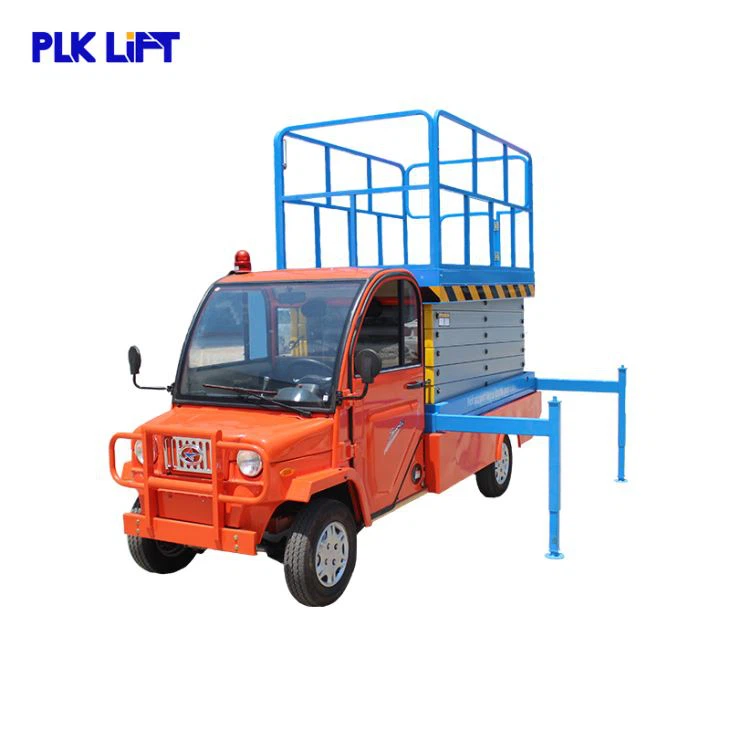

- Worn or Damaged Scissor Arms: The scissor arms are the primary structural components of the lift and are responsible for supporting the platform. Worn or damaged scissor arms can compromise the lift's stability and increase the risk of collapse. Regularly inspecting the scissor arms for signs of wear, such as cracks, bends, or excessive corrosion, and replacing them as needed is essential for maintaining the lift's safety.
- Loose or Missing Bolts and Nuts: The bolts and nuts that hold the scissor lift together can loosen over time due to vibration and normal use. Loose or missing bolts and nuts can cause the lift to become unstable and increase the risk of accidents. It's important to regularly check and tighten all bolts and nuts to ensure the lift's structural integrity.
- Faulty Wheels and Tires: The wheels and tires of a scissor lift are essential for mobility and stability. Worn or damaged wheels and tires can cause the lift to move unevenly or become stuck. Regularly inspecting the wheels and tires for signs of wear, such as flat spots, cracks, or low tire pressure, and replacing them as needed can help prevent mobility issues.
Safety System Failures
Scissor lifts are equipped with various safety systems to protect operators and prevent accidents. However, these safety systems can sometimes fail, compromising the lift's safety. Some common safety system failures include:
- Overload Protection Failure: Overload protection systems are designed to prevent the scissor lift from being overloaded, which can cause it to tip over or collapse. If the overload protection system fails, it's important to have it inspected and repaired immediately to avoid potential accidents.
- Emergency Stop Button Malfunction: The emergency stop button is a critical safety feature that allows operators to quickly stop the lift in case of an emergency. If the emergency stop button malfunctions, it's important to have it repaired or replaced as soon as possible to ensure the lift's safety.
- Safety Railings and Gates Issues: Safety railings and gates are installed on the scissor lift platform to prevent operators from falling. Damaged or missing safety railings and gates can increase the risk of falls and accidents. It's important to regularly inspect the safety railings and gates for signs of damage and repair or replace them as needed.
Addressing Common Problems
To minimize the occurrence of common problems with scissor lifts, it's important to follow a regular maintenance schedule and perform routine inspections. Here are some tips to help you address common problems effectively:
- Regular Maintenance: Follow the manufacturer's recommended maintenance schedule for your scissor lift. This includes tasks such as lubricating moving parts, checking fluid levels, and inspecting electrical connections.
- Operator Training: Ensure that all operators are properly trained and certified to operate the scissor lift. Proper training can help prevent operator errors and reduce the risk of accidents.
- Prompt Repairs: If you notice any problems with your scissor lift, such as unusual noises, vibrations, or malfunctions, have it inspected and repaired by a qualified technician as soon as possible. Ignoring problems can lead to more serious issues and increase the risk of accidents.
- Use Genuine Parts: When replacing parts on your scissor lift, use genuine parts recommended by the manufacturer. Genuine parts are designed to fit and function properly, ensuring the lift's performance and safety.
Conclusion
Scissor lifts are valuable tools that provide a safe and efficient means of accessing elevated work areas. However, like any equipment, they can experience common problems that need to be addressed promptly to ensure their continued performance and safety. By following a regular maintenance schedule, performing routine inspections, and addressing problems promptly, you can minimize the occurrence of common problems and extend the lifespan of your scissor lift.
If you're in the market for a scissor lift, we offer a wide range of high-quality scissor lifts to meet your specific needs. Our product lineup includes Small Electric Scissor Lift, Aerial Lift Truck, and Mini Crawler Scissor Lift. Contact us today to learn more about our products and discuss your requirements. We're here to help you find the perfect scissor lift solution for your business.
References
- Manufacturer's manuals and documentation for scissor lifts
- Industry standards and guidelines for scissor lift safety and maintenance
- Personal experience and expertise as a scissor lift supplier


