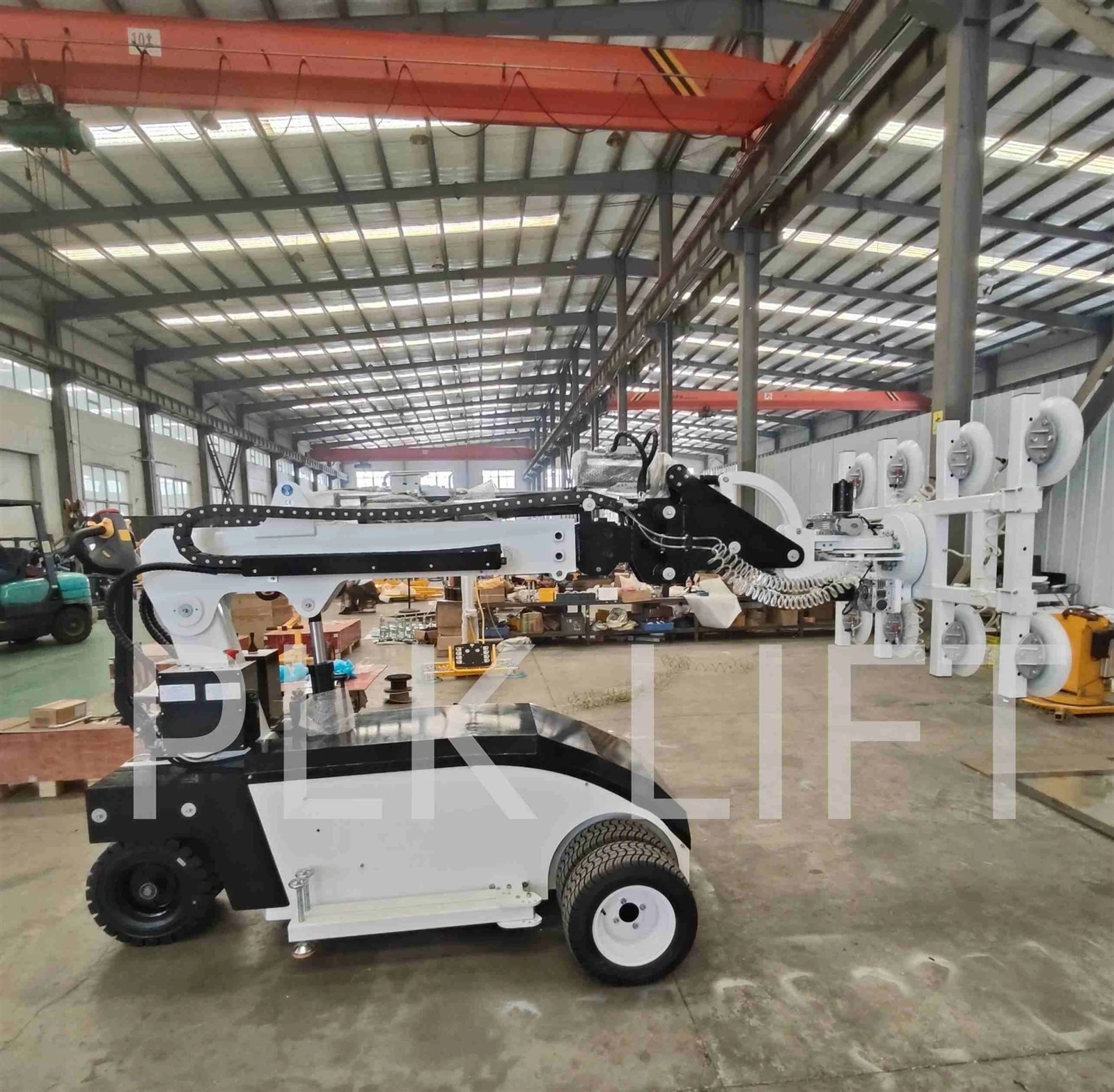
Safe and Effective Operation
To operate a vacuum lifter safely and effectively, follow these simple guidelines:
Conduct a Pre-Use Inspection: Before each use, visually inspect the rubber suction cups for cracks, wear, or debris. Check the equipment for any signs of damage.
Perform a Load Test: In a safe, controlled area, lift a test object equal to the lifter's maximum capacity. Raise it just a few inches off the ground and hold it for five minutes to ensure the vacuum holds steady and there is no slipping. This should be done at regular intervals, after repairs, or if the lifter has been exposed to bad weather.
Know the Limitations: These devices work best on clean, smooth, non-porous surfaces. Their lifting capacity can be drastically reduced on wet, icy, or dusty glass. Avoid using them in rain, snow, or high winds unless the unit is specifically rated for it.
Vacuum glass lifters are powerful tools that significantly improve safety and efficiency when handled correctly. For major industrial or construction work, invest in a high-quality unit with redundant safety features. For smaller DIY projects, a manual single-pad unit might be sufficient.
I hope this overview helps. Are you looking for information on a specific type, such as a model for large industrial panes or a smaller handheld tool?